
angelinaalq523
About angelinaalq523
Villa – What Can Your Study From your Critics
 The real estate market does not move in one direction nationwide. It never has. What is happening in Austin is not what is happening in Cleveland. What is true for a three-bedroom in the suburbs of Dallas has almost nothing to do with a two-bedroom in San Francisco. Before you do anything else, narrow your focus to the specific market you are shopping in and stop reading national headlines as if they apply to you personally.
The arithmetic here is brutal and worth understanding clearly. A buyer who financed a $400,000 home at three percent in 2021 pays roughly $1,686 per month on principal and interest. That same loan at a seven percent rate costs $2,661. The difference between those two payments explains why so many potential sellers are sitting tight. Volume collapsed. Prices mostly did not.
Affordability, by the standard measure of what share of median household income goes toward the monthly payment on a median-priced home, is near its worst level since the early 1980s. That is a real problem, and it is not going away quickly. But affordability being stretched does not mean prices are about to fall sharply. What it means, practically, is that fewer people can compete for each property.
 Shop more than one institution, because the spread in rates and costs is real. A seemingly small rate difference adds up to tens of thousands of dollars over the life of most home loans. Lender fees vary too. Do not compare rate quotes without also comparing origination fees, points, and closing costs.
 If the report surfaces problems that go well beyond normal wear and tear, you have real choices, and walking away is a legitimate one of them. You can request a credit against the purchase price to handle repairs yourself. What you should not do is panic and waive your right to negotiate.
 The offer price is one variable among several. A longer closing window, a shorter inspection period, a larger earnest money deposit, or willingness to do a rent-back period can all tip a deal in your favor without you spending an extra dollar on the purchase price.
 For buyers with a stable income, a down payment of at least ten percent, and a concrete plan to stay in the home for at least five years, this market is more navigable than the headlines suggest. The homes that meet real criteria at a realistic price are still moving. They are going to the people who did the homework before they started looking at listings.
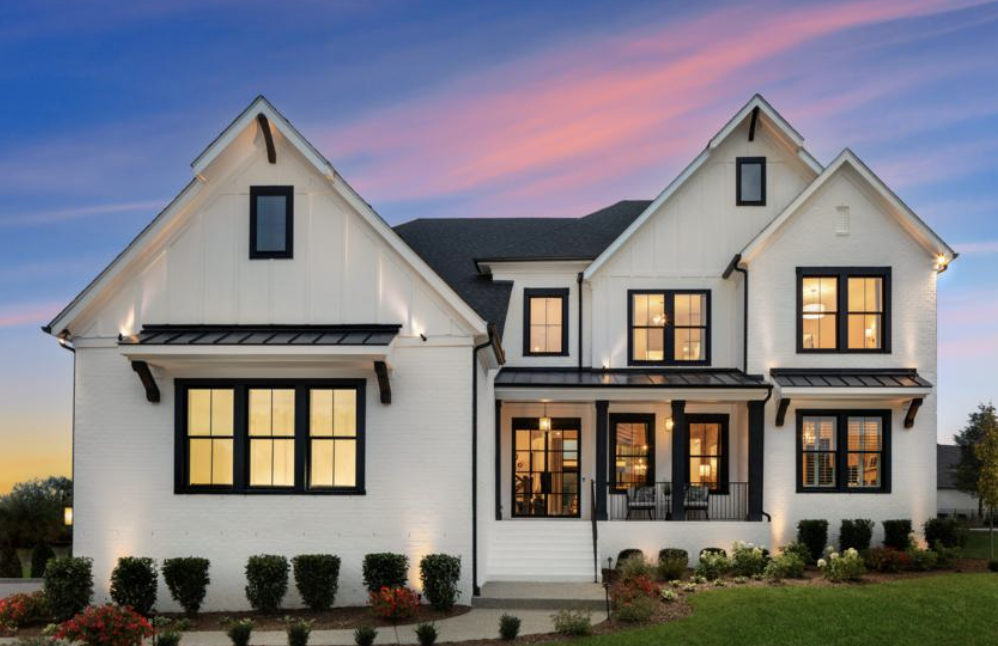 Real estate rewards preparation more than it rewards timing. Nobody consistently calls the top or the bottom of a market, but buyers who show up informed and financially ready close deals in every cycle. Check up-to-date property listings and see whether what is available matches what you have been planning for.
No listing found.